Plastic At Sea conducts ecotoxicity tests on a wide variety of materials used by industrial companies, such as polymers, additives, cosmetics, pharmaceuticals, metals, and more.
For plastics, we test both polymers and additives; the latter are considered chemical pollutants and may include endocrine disruptors.
in the context of the CSRD and CSR
The European DirectiveCSRD (Corporate Sustainability Reporting Directive) now requires manufacturers to provide a higher level of transparency regarding their environmental impacts. In particular, it mandates the measurement, monitoring, and publication of data related to effluents and discharges into the environment.
As part of this process, our experts work directly at your industrial site to identify the appropriate sampling points and collect samples in accordance with best practices. These analyses make it possible to detect, quantify, and characterize the possible presence of microplastics. If necessary, we conduct ecotoxicity tests in our laboratories to assess their potential effects on natural environments.
This allows you to benefit from reliable, auditable results that can be directly integrated into your regulatory reporting, as well as operational recommendations for corrective action to reduce your environmental impact in the long term.
Si votre entreprise compte moins de 250 salariés et/ou a un CA < 50M€, vous n’êtes pas encore concernés par la CSRD. Toutefois, engager une telle évaluation environnementale constitue un levier fort pour structurer votre politique RSE et démontrer votre engagement en matière de durabilité.
This CSR policy requires measuring toxic effects at three levels of the food chain as part of your product’s Life Cycle Assessment (LCA).
A range of standardized tests
Plastic At Sea uses various tests that meet strict standards(ISO, OECD and ASTM) to highlight the potential toxicity of plastic fragmentation products.
Tests are conducted on various organisms at different levels of the food chain that exhibit varying sensitivities to pollutants (bacteria, algae, mussels, sea urchins, fish).
Toxicity tests can be conducted as acute (a few days) and chronic (three months) tests in our patented aquariums.
Plastic At Sea identifies the contaminants that cause toxicity and compares conventional plastics to more environmentally friendly alternatives. This enables partner companies to modify their product formulations to make them more
Your ecotoxicology results, explained and put into context in an expert report, are an invaluable aid to decision-making.
Microtox
Standardized bioassay to evaluate the acute toxicity of a pollutant by measuring its effects on the bioluminescence of the bacterium Aliivibrio fischeri according to NF EN ISO 11348-3 standards
Microalgae
Acute test measuring the effects of a substance on the growth of freshwater algae and/or cyanobacteria (OECD 201).
Sea urchins
Acute ecotoxicity test based on effects on the early stages of growth and division of sea urchin embryos (ASTM E1563-98).
MUSSELS
Chronic bioaccumulation test to measure the effects of contaminants on the health of mussels over several months. Innovative tools make it possible to define the long-term effects of a pollutant.
Fish
The long-term chronic test measures the effects of a pollutant on the reproductive success of the fish Danio rerio (OECD TL 236).
tested under real-world conditions
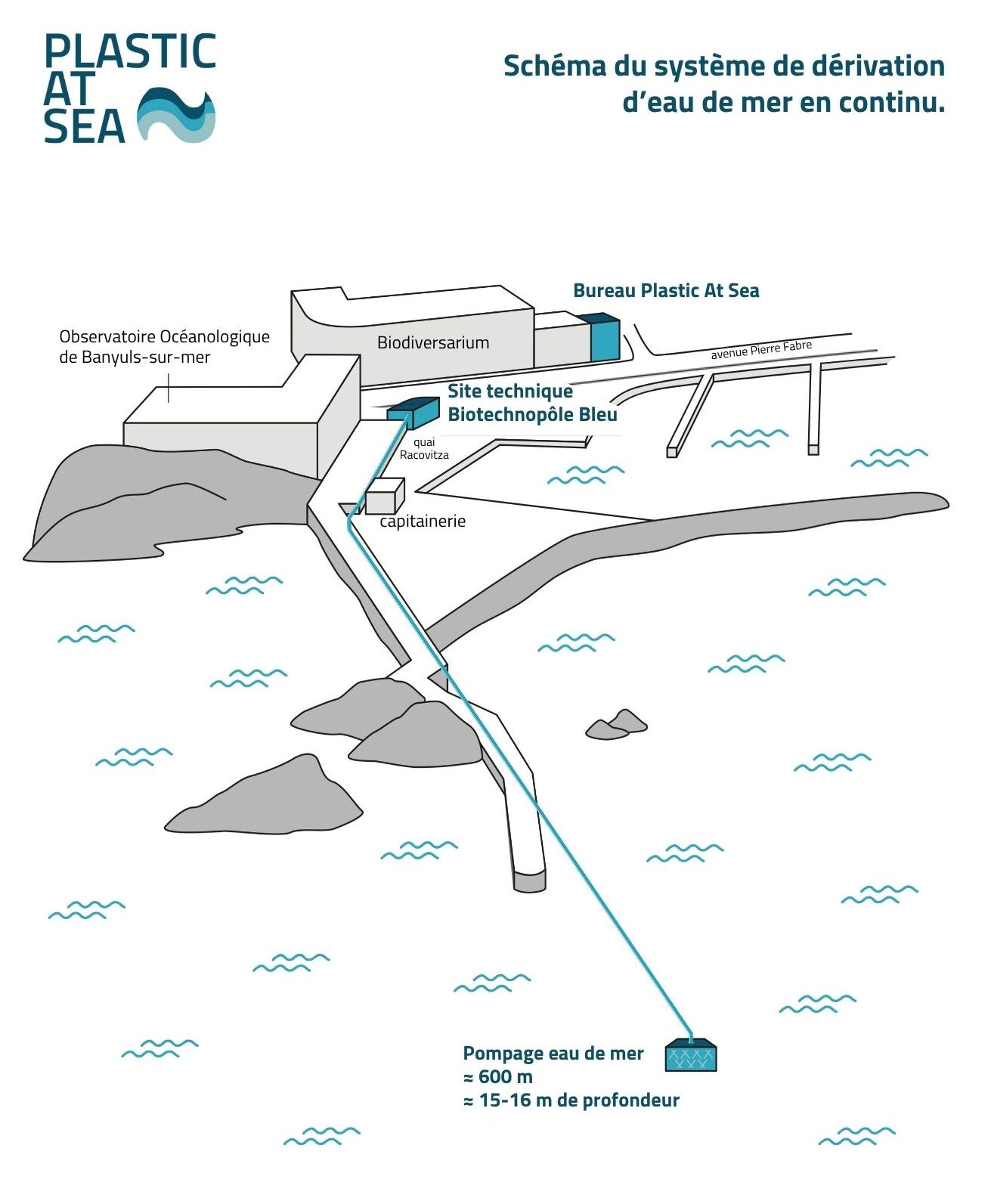
Natural seawater collected directly from the Banyuls-sur-Mer Marine Reserve and transported to the Plastic At Sea laboratory retains its complex mineral and ionic composition, providing a more representative and relevant ecotoxicity assessment of the tested products than tests conducted using reconstituted water.
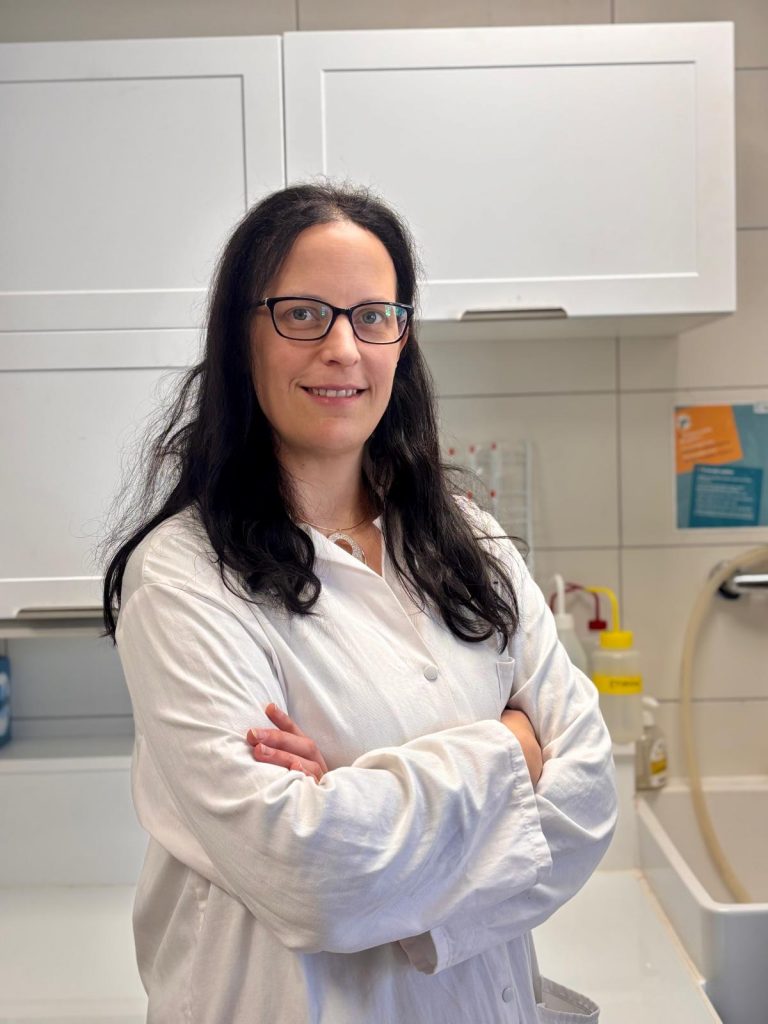
Head of the Ecotoxicology Division
Isabelle Calves
Ph.D. in Marine Biology, specializing in ecotoxicology
"Expertise that brings meaning to your ecotoxicology analyses"